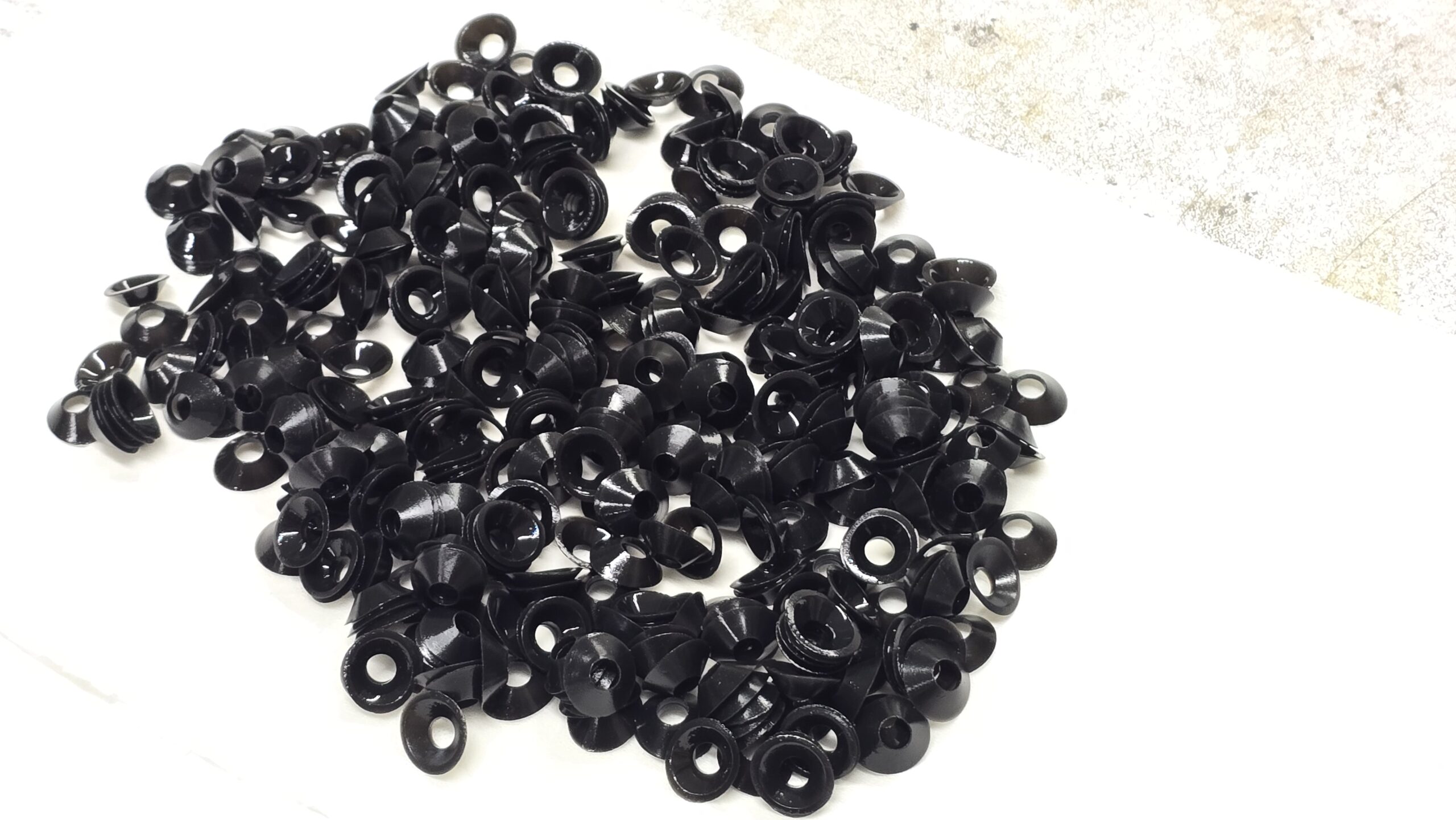
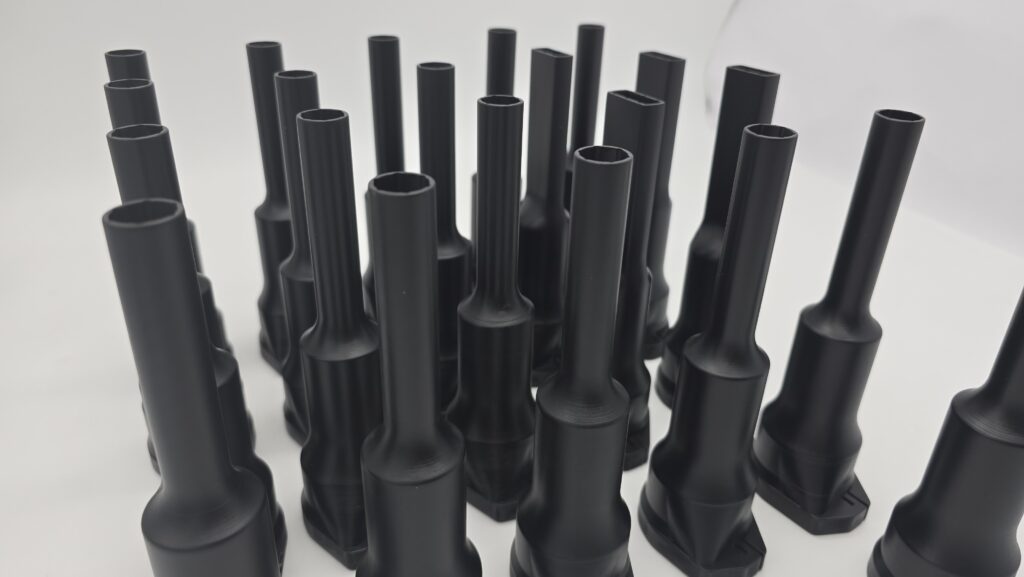
In recent years, 3D printing has evolved from a prototyping tool into a viable solution for small and medium-scale manufacturing. Among the various technologies available, resin 3D printing (SLA or DLP) stands out for its high precision, smooth surface finish, and outstanding visual quality — making it ideal for a wide range of industrial applications.
Why you should choose resin 3D printing for small production batches
Compared to FDM printing or laser sintering (SLS), resin printing offers exceptional resolution and a growing selection of technical materials. This makes it perfect for low-volume production where visual quality and fine detail are essential — such as in the medical field, jewelry, product design, or consumer electronics.
Key advantages of resin 3D printing include:
- Fast production times, even for complex geometries.
- Design freedom, without the constraints of traditional manufacturing.
- Lower upfront costs, with no need for molds or tooling
Low volume production, great efficiency
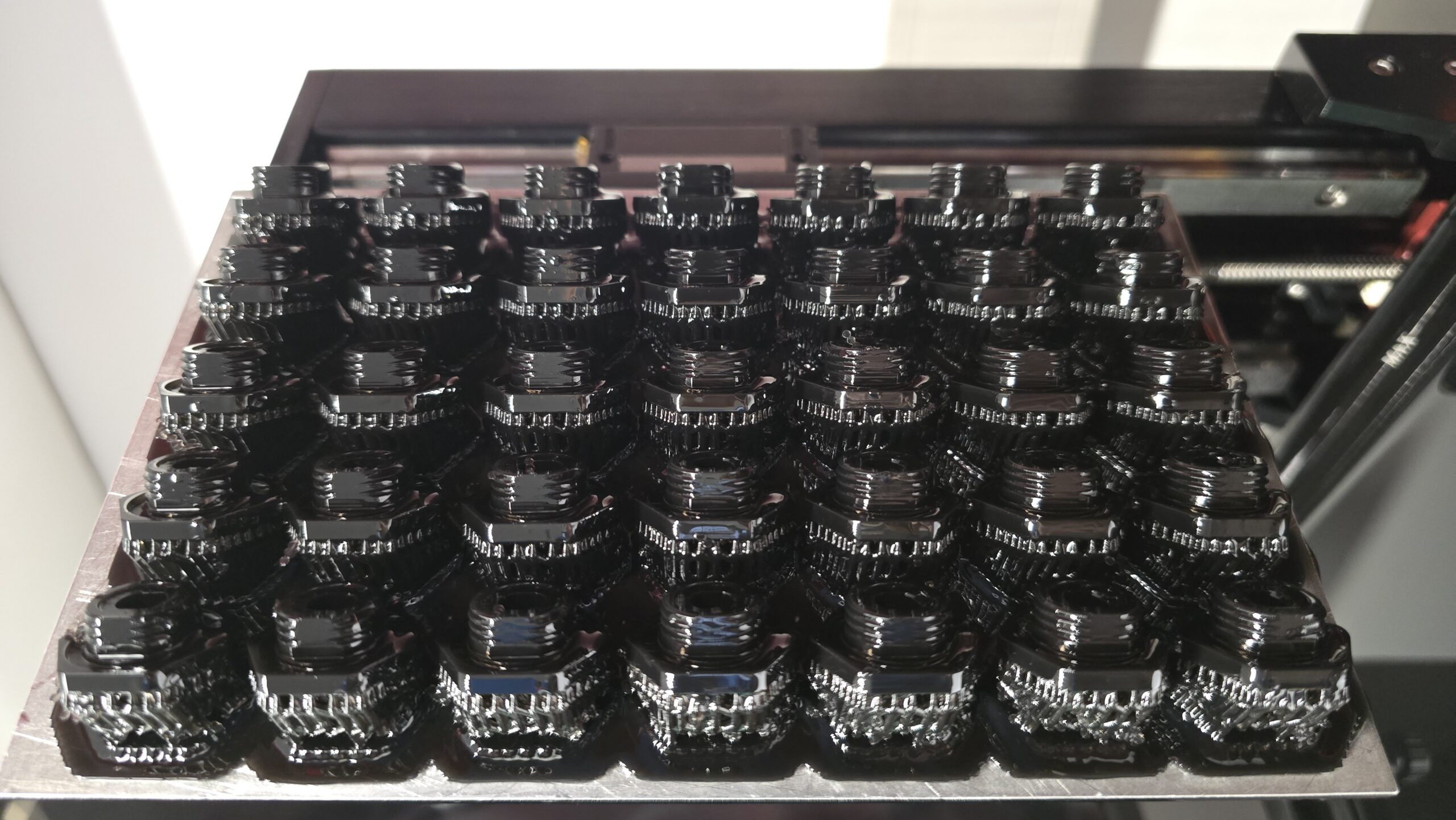
When it comes to small or medium batch production (from 10 to 1000 units), businesses often seek the right balance between speed, quality, and cost. Resin 3D printing allows for an easy transition from prototype to production while ensuring consistency and repeatability.
At ONEDGE, we use SLA and DLP technologies to deliver:
- High part-to-part consistency
- Rigorous quality control
- Tailored post-processing finishes (painting, polishing, surface treatments)
Real applications: from prototyping to production
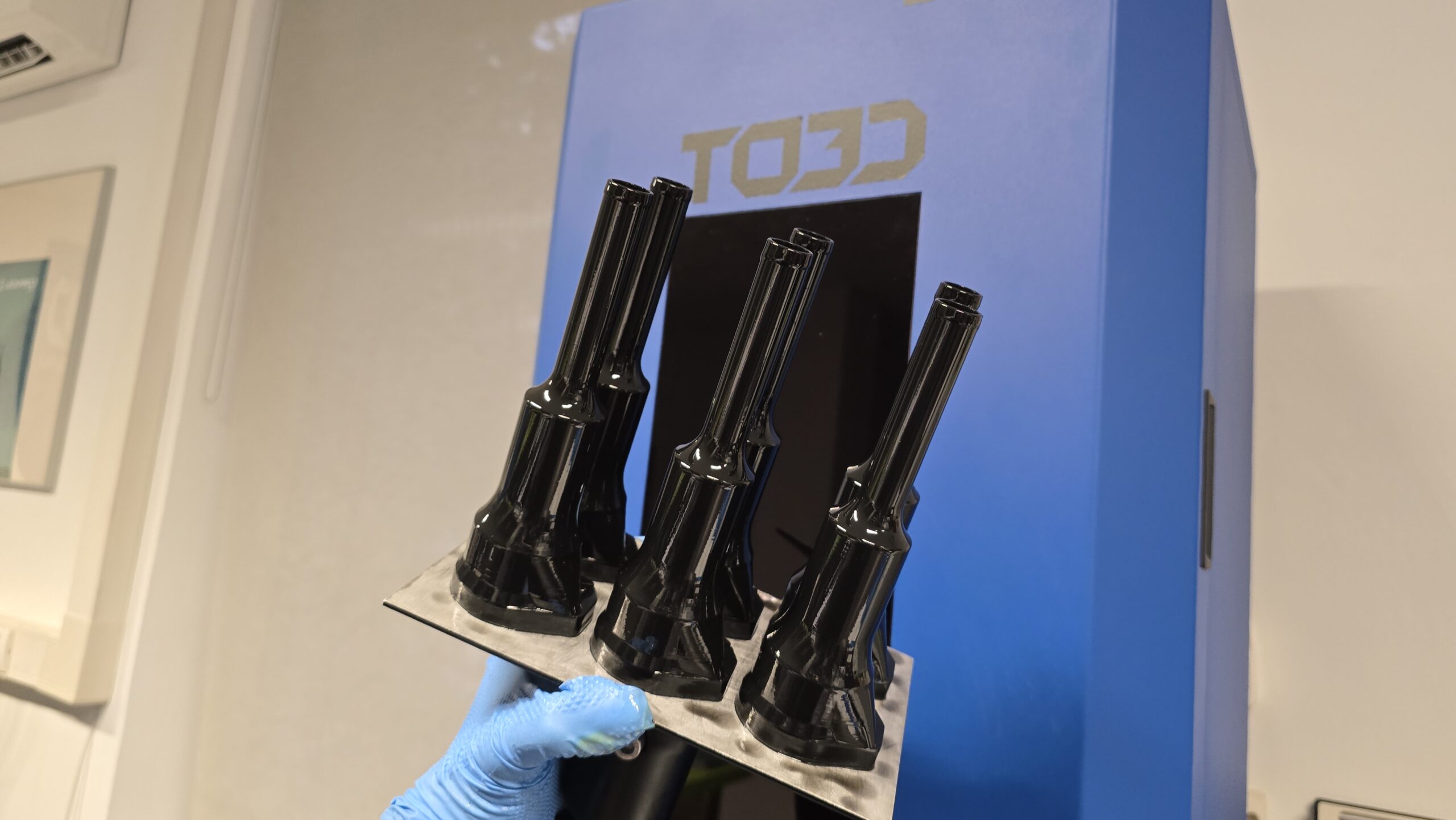
Our clients rely on resin 3D printing not only for testing shapes and volumes, but also for producing final-use parts. In industrial contexts, we manufacture:
- Custom housings for electronic devices
- Enclosures for medical instruments
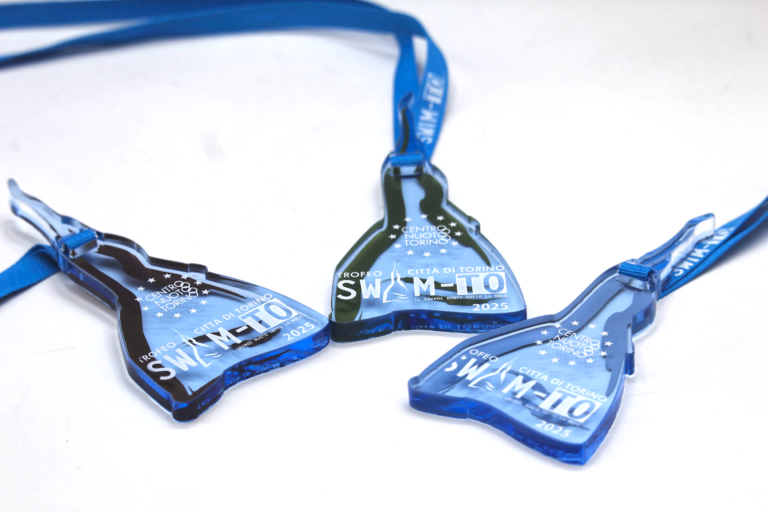
- Micro-components for fashion and accessories
- Limited edition products or collector’s items
When does it really make sense?
Resin 3D printing becomes particularly advantageous when the product has complex geometries, difficult to print with other methods, or if it is an on-demand production, without tying up resources in warehouse.
Additionally, it could be very beneficial if you are working on an evolving design that requires rapid changes.
Aesthetic quality and detail are an essential must.
At ONEDGE, we offer more than just technology: we deliver a complete service. We support our clients from design to production, with a sharp focus on performance, timelines, and cost-effectiveness. Thanks to our expertise in resin printing, we can optimize even the most complex and customized projects.
Want to learn more about our 3D Printing services? Click here.